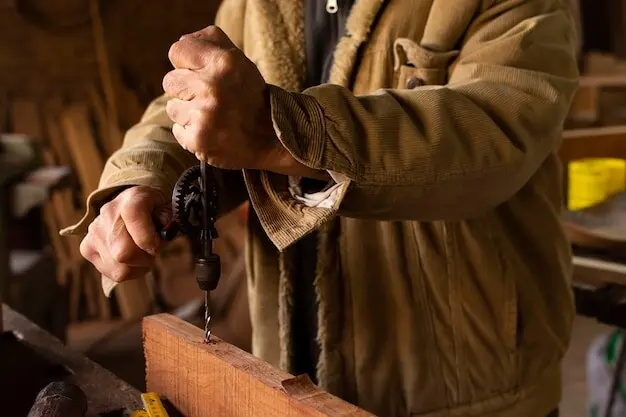
From Alpine Needles to Enduring Timber

Today we journey through the Julian Alps to explore larch, the golden-needled mountain conifer whose fragrant, resin-rich wood shapes cabins, shingles, and footbridges. Expect field stories, practical craft insight, and science-backed notes on durability, all rooted in local landscapes and lived experience.

Where Roots Meet Rock and Sky

High on the ridgelines where paths grow thin and the air tastes of stone, larch finds its footing. It turns whole slopes into a lantern of gold each autumn, shrugging off fierce winds, deep snow, and thirsty summers with a quiet resilience known to shepherds and hikers alike.

Autumn Gold Above the Tree Line

Unlike most evergreen neighbors, larch lets go of its needles with ceremony, burnishing hillsides into burnished gold before winter clamps down. That rhythm, faithfully repeated across the Julian Alps, sustains wildlife, guides hikers home at dusk, and signals woodworkers that growth has slowed and grain has tightened beautifully.

Survival on Limestone and Wind

Anchored in thin soils scattered over limestone and dolomite, larch braces against gusts funneling through saddles and cols. Its roots stitch into fractured rock, partnering with fungi to sip scarce nutrients. This tough upbringing becomes strength in boards and beams, translating mountain struggle into steady, dependable performance.

Reading Seasons in Wooden Circles

Each ring in larch tells a clear story: quick spring growth, dense latewood, and years when drought or storms pressed harder than usual. Craftspeople read those circles like weather journals, aligning boards where strength is needed most, and saving tight-ringed stock for joinery that must never complain.

From Forest Whisper to Craftsman Hands

When foresters choose larch with patience and respect, every downstream step improves. Felling in cold months reduces sap bleed; mindful hauling protects bark and edges. In village yards and small sawmills, families turn rough logs into future stair treads, sills, cladding, and oiled countertops that smell like mountains.

Homes, Roofs, and Walkways That Weather Well

Alpine villages trust this wood because time and weather teach the same lesson each year: it resists, it breathes, it improves. Left uncoated, it silvers gracefully; oiled, it deepens like honey. Doors slam softly, balconies shrug at storms, and handrails warm palms even on brisk sunrise starts.

Inside the Material: Chemistry and Structure

Resins and dense latewood give this timber its poise outdoors. Extractives discourage fungi; tiny canals seep protective scent when warmed by sun. Growth at altitude tightens cell structure, enhancing stiffness. The result feels both alive and determined, as if each board carried a remembered gust from the ridge.

Resins That Turn Water Aside

Touch a freshly cut surface and notice how droplets pearl rather than soak. Natural resins reduce wetting, slowing decay and helping finishes last longer. In summer heat, faint beads may surface along knots, a gentle reminder that chemistry still guards fibers against long, soaking seasons and freeze-thaw cycles.

Density, Rings, and Stiffness

Tighter growth rings built at higher elevations concentrate tough latewood bands. That micro-architecture raises stiffness and improves fastener grip. Craftspeople align grain with spans, edge-glue with care, and reserve straight, fine-ringed planks for stairs, sills, and beams where springiness must become strength you can feel underfoot.

Care, Joinery, and Long-Life Details

Longevity is a conversation between design and maintenance. Keep water moving, edges sharp, and air flowing. Choose finishes that suit exposure and patience. Respect tannins, use corrosion-resistant fasteners, and revisit details each spring. With small, regular attention, decades stretch comfortably, and replacements become thoughtful upgrades instead of emergencies.

Finishes That Protect Without Hiding

Penetrating oils with UV blockers preserve tone while letting grain speak; lightly pigmented coats slow silvering. Film builds can crack on lively boards, so flexible systems matter. Test offcuts outdoors, watch a season pass, then commit. The best finish is honest about weather and easy to renew annually.

Fasteners, Movement, and Smart Joints
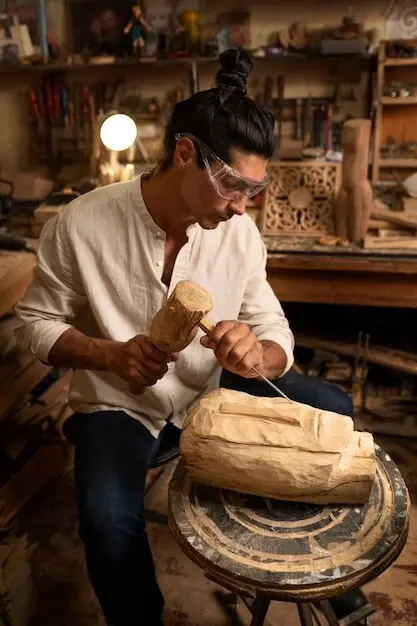
This wood moves across the grain with humidity shifts, so joints must invite controlled motion. Use slotted holes, breathable membranes, and drainage paths. Stainless or coated fasteners prevent black stains where tannins meet iron. Pre-drill near edges, back-prime hidden faces, and let expansion gaps exhale without drawing attention.

People of the High Pastures

Carvers set up benches near summer huts, shaping bowls whose rims remember wind. One builder recalls sanding stair treads while a thunderhead stacked over Triglav, resin scent mixing with ozone. These crafts are not nostalgic souvenirs; they are practical poetry, binding work, weather, and wood into daily grace.

Harvesting With Foresight

Protective forests demand humility. Crews thread small machines along old tracks, bridging streams, and leaving seed trees to stitch new shade. Outcomes are measured in safer slopes and healthier stands rather than quick volumes. Choosing timber from such practices is a vote for future balance on demanding terrain.

Join the Conversation and the Trail

Share your experiences building with this mountain wood, from cladding that silvered beautifully to benches that survived five winters. Ask questions, challenge ideas, and subscribe for deeper dives. If you pass through the Julian Alps, volunteer a morning on a trail crew, then tell us what you learned.

Naridavosanoloro
Privacy Overview

This website uses cookies so that we can provide you with the best user experience possible. Cookie information is stored in your browser and performs functions such as recognising you when you return to our website and helping our team to understand which sections of the website you find most interesting and useful.