Design Gently: Alpine Craft, Modern Calm
Today we explore sustainable interior styling with handcrafted goods from the Julian Alps, bringing thoughtful materials, regional stories, and time-honored skills into everyday rooms. Expect practical guidance for selecting durable, low-impact pieces, warm anecdotes from mountain workshops, and styling ideas that celebrate restraint, comfort, and longevity. Together we will learn how larch, wool, stone, and clay can soften city spaces, reduce waste, and invite mindfulness, while supporting artisans whose livelihoods protect forests, rivers, and cultural heritage for generations.
Materials That Speak of Mountains
Honest interiors begin with honest materials. In the Julian Alps that means larch and spruce cultivated with respect, limestone shaped by ancient seas, and wool gathered from hillside flocks. These materials do not simply decorate; they carry climate, geography, and memory into your home. Their textures invite touch, their aromas recall forests after rain, and their subtle hues calm overstimulated eyes. Choosing them conserves energy because they last, repair gracefully, and age beautifully, building character rather than clutter. Every decision here can be gentle yet strong, refined yet resolutely real.
Makers Behind the Work
Objects carry voices. In the Julian Alps those voices belong to families who split their firewood, tune their tools by ear, and pass down gestures rather than slogans. Meeting them changes how we decorate because their pace reorders our priorities. We learn to wait for a plank to dry, to accept a knot as a star, and to welcome a glaze’s unpredictability. This section introduces stories that turn goods into companions. Share your questions, request introductions, and consider commissioning something measured to your room and rhythm rather than to a calendar sale.
A Carver in Kranjska Gora
On a road curling toward mountain passes, a small studio smells of resin and coffee. A father and daughter carve stools from storm-fallen larch, tracking each piece’s origin on paper tags. They prefer hand tools because neighbors sleep early and the valley holds echoes. Their stools show tool marks intentionally, tiny facets that catch morning light. When asked about productivity, they smile and point to the almanac. Their cadence inspires interiors where fewer pieces hold more meaning. Commissioning from them means receiving lineage and weather, not just function, and learning to place patience at the room’s heart.
The Weaver Above the Soča
In a hillside cottage overlooking the emerald river, a treadle loom keeps gentle time. The weaver spins local wool, alternating undyed grays with plant-dyed amber, echoing scree slopes and larch in autumn. She measures blankets by naps and winters, not centimeters. Her repair policy is simple: bring it back, share tea, and leave with stories stitched beside mended weft. She recommends a single large throw to soften a room’s acoustics rather than scatter many small textiles. Through her, we learn to style with generosity, choosing pieces that hold families and quiet, not merely color swatches.
Clay and Fire Near Bohinj
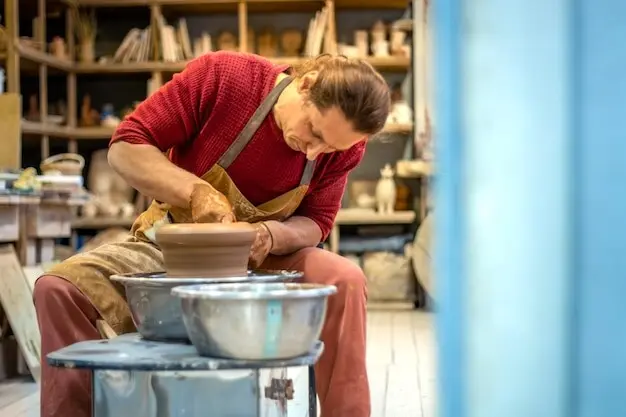
Close to the lake, a potter shapes stoneware using local grog for strength, then fires with efficient electric kilns powered by cooperative energy. Glazes carry hues from alpine herbs and ash experiments, settling like low clouds on ridgelines. Bowls stack tightly to reduce storage bulk and shipping volume. She encourages customers to embrace micro-variations as signs of touch, not defects. In kitchens and living rooms, her vessels host fruit, pencils, and wildflowers, transitioning with ease. Buying from her is a lesson in simplicity: let everyday rituals elevate design, and let utility become a form of quiet beauty.
A Palette of Mist, Larch Bark, and River Pebble
Borrow tones from an alpine morning: cool grays like receding scree, silvery browns like weathered larch, and off-whites like limestone dust. These hues calm visual noise and flatter natural textures. Add restrained warmth through walnut, copper, or undyed wool rather than synthetic brights. If you crave color, break the quiet with plant-dyed cushions echoing autumn larches or edelweiss shadows. Keep walls matte to soften glare and highlight grain, weave, and chisel marks. This palette accommodates patina, masks small scuffs, and evolves across seasons without demanding seasonal overhauls or impulsive purchases.
Texture, Light, and Breathable Space
Layer texture slowly: a felted rug to quiet footsteps, a carved bench to ground sightlines, a stone tray to gather keys. Aim light diagonally to rake across relief and emphasize handwork. Use linen or wool sheers that filter glare yet keep rooms ventilated. Let negative space frame artifacts like a respectful pause, not a void to be filled. If shelving is necessary, float a few planks of spruce and leave generous gaps so pieces read individually, not as clutter. With fewer items, dusting becomes storytelling, and maintenance feels like revisiting friendships, not chores.
Objects with Purpose, Stories in Reserve
Choose multi-use pieces that earn their footprint: a larch stool becomes a nightstand, then an extra seat. A ceramic bowl corrals remotes, then hosts winter citrus. Rotate displays seasonally instead of accumulating duplicates. Store rest in a cedar-lined trunk to protect textiles and honor pauses. Labels with maker notes keep provenance alive for guests and future repairs. As objects pass through roles, their scratches gather meaning rather than shame. This choreography teaches restraint and emotional connection, ensuring each addition enriches the room’s tone and supports a life centered on gatherings, reading, and unhurried meals.
Styling for Quiet Durability
Sustainable rooms feel unhurried. They minimize decisions by honoring materials, restraining color, and organizing light for comfort. Instead of cramming shelves, they stage breathing space around a few sturdy pieces that invite use. Surfaces welcome handprints, not coasters that police guests. This approach resists trend churn and instead trusts steady combinations: wood, wool, stone, clay, glass. Each tells a compatible story. You will find suggestions here for palettes, proportions, and focal points that work in rentals and owned homes alike, gently lowering waste while raising the room’s calm confidence and hospitable character.
Buying Better, Slower
Responsible selection begins with curiosity. Asking how, where, and by whom an item was made changes everything. It redirects budgets from novelties toward lasting companionship. Slower buying avoids warehouse regret and amplifies local economies protecting alpine forests and watersheds. This section equips you with questions, signals, and timing strategies to prevent greenwashing fatigue. It also suggests ways to align purchases with actual daily rituals. When rooms contain only what you use and love, maintenance simplifies, waste shrinks, and the view clears. Share your checklist in the comments to help other readers refine theirs.



Care, Repair, and Circular Living
Sustainability unfolds after purchase. Daily habits determine longevity, and longevity determines impact. By adopting gentle cleaning, routine inspection, and a mindset of stewardship, you will extend lifespans and reduce replacements. Repair is not a setback but a ceremony returning objects to usefulness with added narrative. Circular thinking continues at end-of-life with resale, donation, or material recovery. This section shares practical rituals and community ideas to keep goods circulating. Share your maintenance successes so others learn, and tell us where you repair locally to strengthen a supportive network around considered living.
Entry: A Place to Arrive Mindfully
A narrow hall receives a shallow larch bench with a stone tray for keys and a felt runner to soften footfall. Hooks crafted from offcut pegs line one wall, aligned with door swings for easy grabs. A small mirror framed in spruce catches daylight and lengthens sightlines. Visitors feel considered, not processed. Nothing jingles, nothing wobbles, and nothing scolds. The bench’s underside stores slippers for guests, encouraging slower strides. With every return, hands meet warm wood, eyes rest on mineral calm, and the clutter impulse shrinks without a single plastic bin.

Living: Conversations Around Stone and Wool
A limestone slab anchors a low seating area beside a wool rug braided from local yarn. Two carved stools orbit, movable for board games or impromptu work. Shelving stays spare: a single ceramic vase, a stack of field guides, and a larch box corralling remotes. Lighting grazes textures, not screens. Guests lean forward instinctively, voices soften, and pauses lengthen. The room resists throwaway extras because each piece earns its keep. When winter arrives, a heavy blanket joins; in summer, it retires to a cedar chest, proving seasonality without constant buying.