Meet the Makers of the Julian Alps
Step through doors warmed by wood stoves and mountain light to greet people whose hands shape stories into everyday beauty. In this special journey, Meet the Makers: Studio Profiles of Julian Alps Artisans, we wander from valley hamlets to ridge-line farms, listening to tools hum and traditions breathe. You will hear how snowfall sets a rhythm, how rivers color wool, and how families pass steady patience across generations, inviting you to join their living conversation between land, craft, and community.
Paths Carved by Snow and Time
In high villages, mastery grows slowly, like lichen on granite. Skills pass quietly around kitchen tables, across goat pastures, and through winters that make both people and tools deliberate. Here, apprenticeships are stitched with stories: a gesture corrected, a knot retied, a patient nod after the tenth careful attempt. When the thaw comes, so do fairs, neighbors, and the first sunlight on finished work, reminding every maker that persistence can be as welcoming as spring itself.
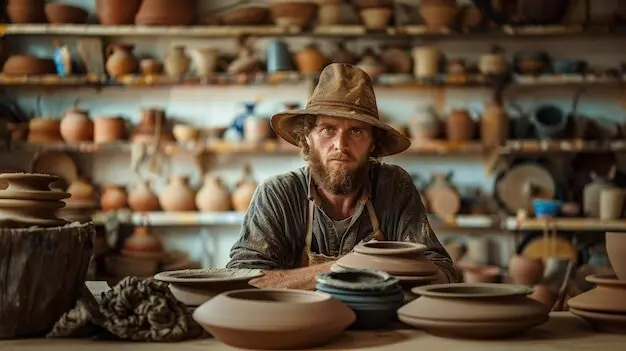
An Apprenticeship Remembered
A woodcarver in Trenta recalls her first winter under a stern yet gentle mentor who insisted she sharpen in silence, letting the iron teach her. She learned by feeling when beveled edges finally sang. Years later, she still hears that music whenever snow presses against the window, and the birch shavings curl like drifting feathers across the bench.
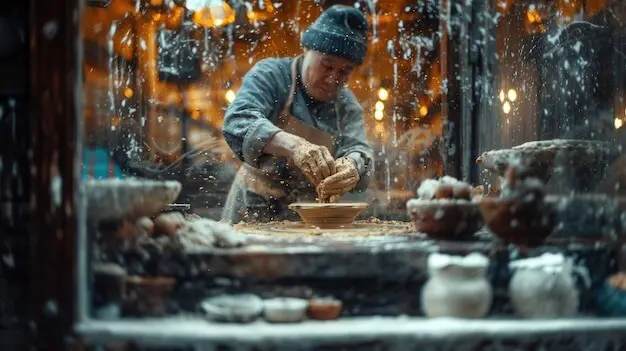
When Winter Slows the Hands
Short days stretch concentration. Looms whisper slower, chisels take lighter bites, and conversations lean long over tea. Yet the pace enriches decisions: a tighter mortise, a finer warp, a braver curve. By spring, tools have grown intimate with their work, and the maker’s resolve feels steadier than mountain roots fastening through thawing soil, ready for visitors who marvel at quiet miracles shaped during cold months.
Materials Raised by Altitude
The Julian Alps offer a palette grown by weather: larch hardening in cold, beech smoothing to velvet beneath rain, and wool thickening under bright, thin air. Jezersko–Solčava fleeces spin into resilient yarn; walnut hulls and onion skins lend honest color that fades gracefully, like evening light. Limestone dust softens clay, river stones polish edges, and each substance remembers storms, sun, and footsteps, turning every finished piece into a compact landscape you can hold and keep.
The Chisel That Learned Patience
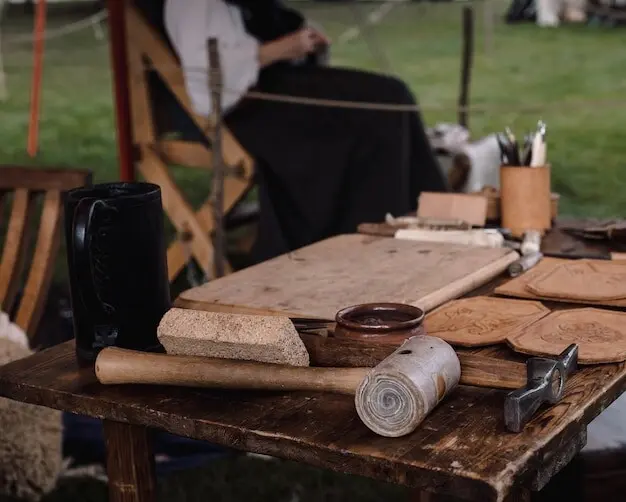
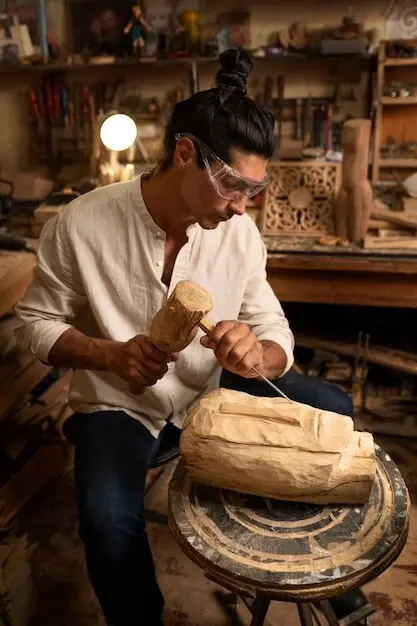
A chiseling session begins with a ritual: oiling the stone, breathing evenly, counting strokes. The steel’s edge mirrors clouds, then erases them under wood curls that rise and fall like gentle surf. The carver pauses often, not from doubt but reverence, listening for that moment when the grain finally says yes and the form steps forward from the block.
A Loom Tuned Like a Violin

A weaver explains tension using music: warp as the strings, heddles as nimble fingers, and the shuttle as a bow drawing color into sound. Before dawn, she adjusts pegs and beams until the cloth answers with even breath. Patterns unfold like remembered melodies from grandmothers’ scarves, yet each line still surprises, a new stanza echoing through wool and room.
Knives Tempered by Creek Water
A blacksmith near the Soča quenches glowing blades where currents run quickest, then walks upstream as they cool, sensing tiny changes. He names each knife after a bend in the river, believing currents teach edges how to flow. The finished handles warm instantly in palm, willing to work long hours without complaint, steady as the stones that share their birthplace.
Design Language of Peaks and Valleys
Forms mirror a landscape of steep lines and gentle hollows. Motifs echo lichens, edelweiss petals, and the three-faced outline of distant peaks glimpsed between clouds. Colors borrow from glacial blues, hayfield golds, and alder greens along riverbanks. Patterns favor utility that looks inevitable, like a bucket curve that fits a wrist, or a chair back supporting a day’s worth of storytelling. Beauty lives where function and place greet one another with quiet mutual respect.
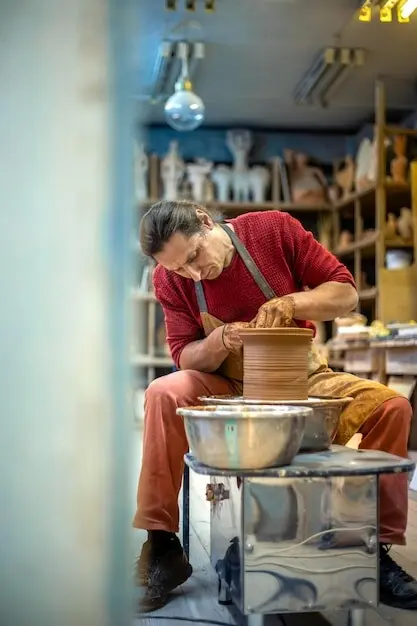
From Studio Door to Your Hands
What to Ask When You Visit
Start with curiosity. Ask how a form evolved, where wool was sourced, which tool demanded the most attention. Makers brighten when you notice details: a carved chamfer, a seam tucked elegantly. Offer your own story—why you came, who you’re shopping for. Conversation becomes collaborative design, and you leave not only with an object but with shared understanding that deepens its everyday presence.
Pricing That Honors Hours and Winters
The tag includes many invisibles: sharpening stones, offcuts, dye tests, unhurried practice, and the courage to discard what disappoints. Winters stretch electric bills while days shorten, yet work continues faithfully. Paying fairly keeps workshops lit, apprentices learning, and materials responsibly sourced. Think of it as investing in a long, luminous line of future breakfasts, gatherings, and quiet evenings made gentler by well-made things.
Care That Keeps Stories Alive
Oil wooden spoons when they look thirsty. Handwash wool that remembers mountain wind. Return cracked mugs for repair instead of replacement. Makers cherish maintenance because it turns objects into companions, gathering patina and shared history. Each small act of care renews the pact between your life and their labor, extending usefulness while allowing new meanings to root and flourish.
Journeys You Can Take
A day in the Julian Alps can braid studio visits with river walks and bakery stops. Mornings reveal weavers opening shutters; afternoons carry you to woodshops warmed by cedar shavings. Local fairs occasionally gather craftspeople, while small museums curate humble tools beside proud results. Travel gently, ask before photographing, and consider arranging visits ahead. You may return with something handmade—or simply with conversations that continue echoing long after you unpack.
Future Threads in High Places
Craft here adapts without abandoning its roots. Young makers test solar kilns, cooperative dye gardens, and shared sharpening stations. Elders mentor patiently, while online storefronts carry valley voices abroad. Climate shifts demand new drying practices and resilient wood selection. Through it all, studios remain local kitchens of kindness and skill, where continuity is woven with innovation, ensuring the next snowfall finds workshops alive, hopeful, and humming with practiced, generous hands.